Guide
How to Personalize a Piece of Lab-Grown Diamond Jewelry
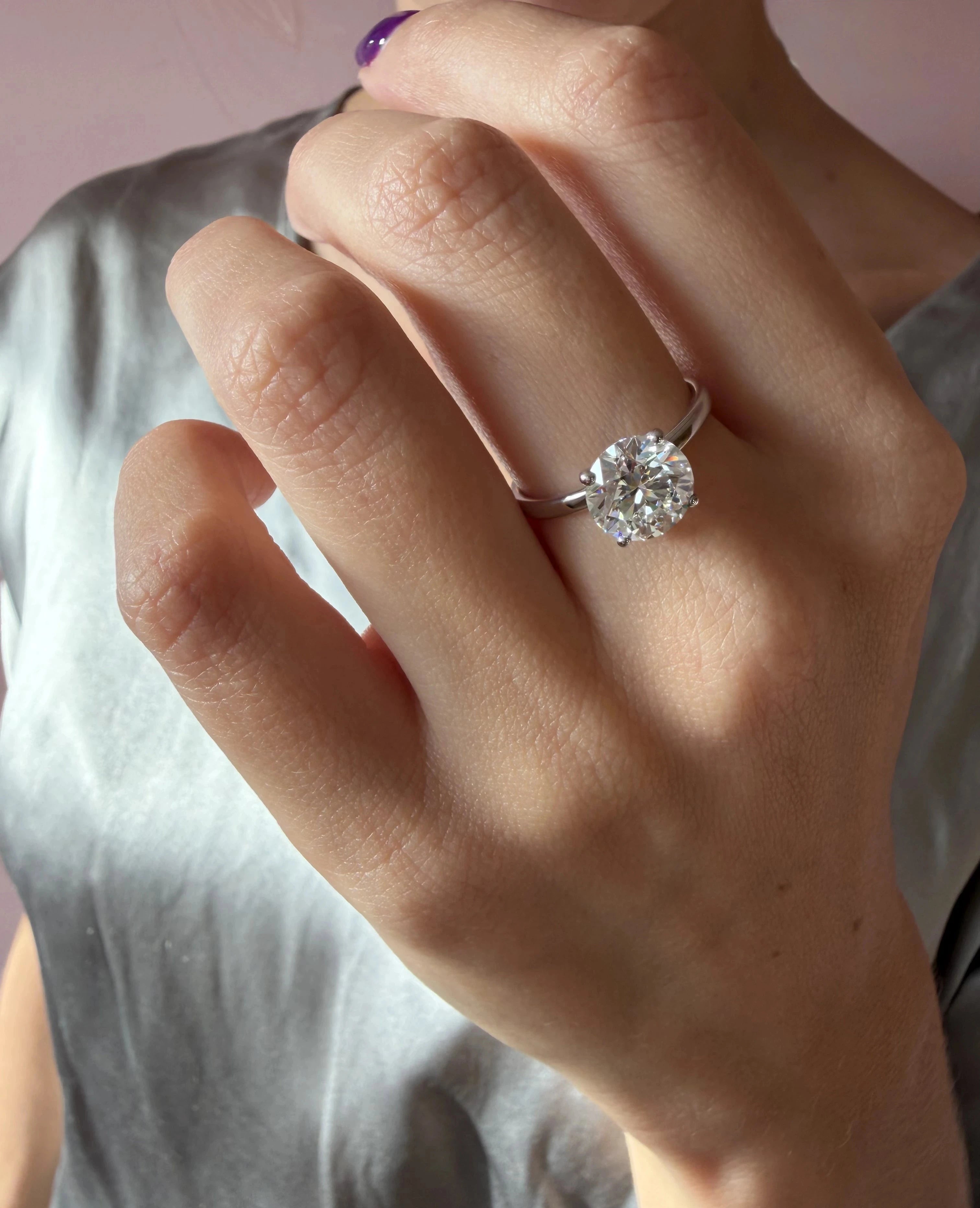
Personalizing a piece of lab-grown diamond jewelry means combining a diamond, a setting and a precious metal to create a combination that reflects your personal taste.
The Maison Exquisite Lab Diamonds offers two possibilities: create your ring using our online ring configurator or design a fully bespoke piece of jewelry.
This guide brings together the key elements to consider when choosing the shape, color and clarity of your lab-grown diamond, before pairing it with the precious metal of your setting.
CHOOSING THE SHAPE OF YOUR LAB-GROWN DIAMOND
The shape influences the silhouette of the jewelry, its presence when worn, and the way light travels through the diamond.
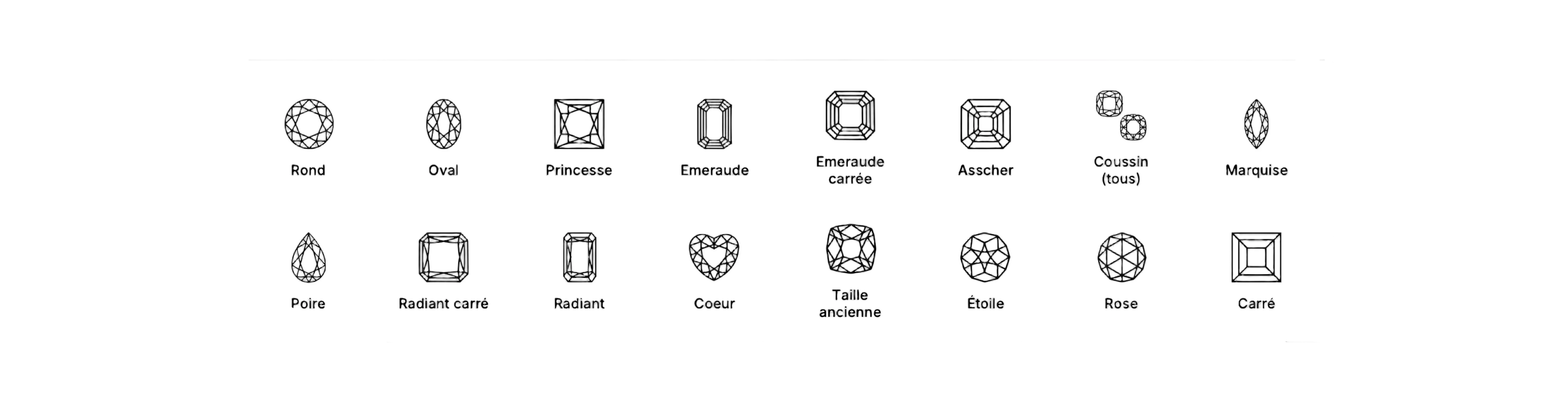
A round lab-grown diamond stands out for its brilliance and balanced proportions. Oval, pear and marquise shapes visually elongate the finger. Emerald, square emerald and Asscher cuts create a more graphic play of light. Cushion, princess, radiant and heart shapes each have their own distinctive geometry. Other cuts, such as Old Cut or Rose Cut, offer a distinctive aesthetic inspired by historic diamond cutting styles.
When choosing a diamond, several elements provide useful points of comparison:
- its proportions;
- its length-to-width ratio;
- the balance and symmetry of its outline;
- the way light is distributed throughout the diamond;
- the possible presence of a shadowed area, known as a “bow-tie effect”, in certain elongated shapes.
Two lab-grown diamonds of the same shape and carat weight can therefore have very different silhouettes and brilliance.
CHOOSING THE COLOR OF YOUR LAB-GROWN DIAMOND
Color directly influences the diamond’s visual appearance. Its perception varies depending on the diamond’s shape, dimensions and the metal of the setting.
Color grades for a colorless lab-grown diamond
The color scale ranges from D, the most colorless grade, to Z, where a tint becomes progressively more noticeable.
Grades D to F correspond to colorless lab-grown diamonds with the highest levels of whiteness, qualities particularly sought after in fine jewelry. Lab-grown diamonds now make these qualities accessible to a wider audience.
Step cuts, such as emerald and Asscher cuts, tend to reveal any subtle color present in the diamond more easily. Brilliant cuts, such as round, oval or cushion, disperse light more effectively and can make these nuances less noticeable.
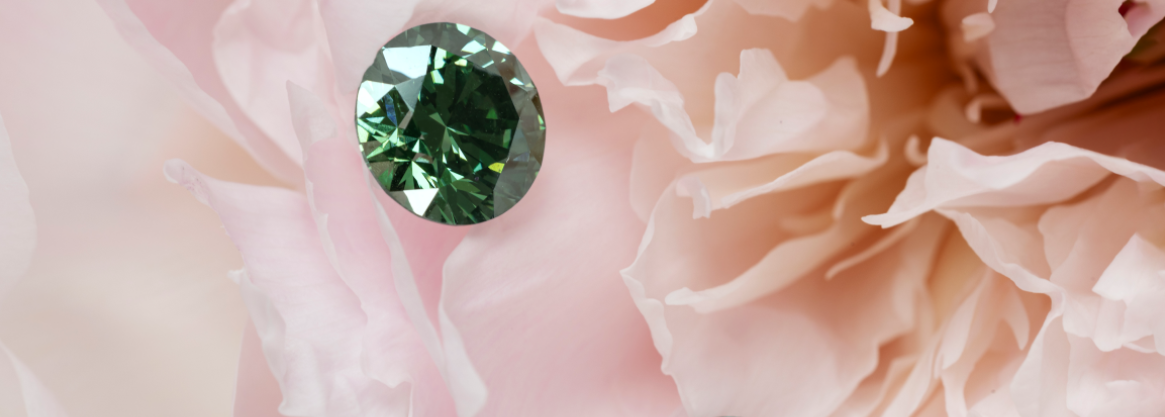
Alongside colorless diamonds, Fancy Color lab-grown diamonds open up another world of possibilities: pink, yellow, blue, green, orange, champagne… For these diamonds, the focus is primarily on the hue, its intensity, its nuances and how the color is distributed throughout the diamond.
CHOOSING THE CLARITY OF YOUR LAB-GROWN DIAMOND
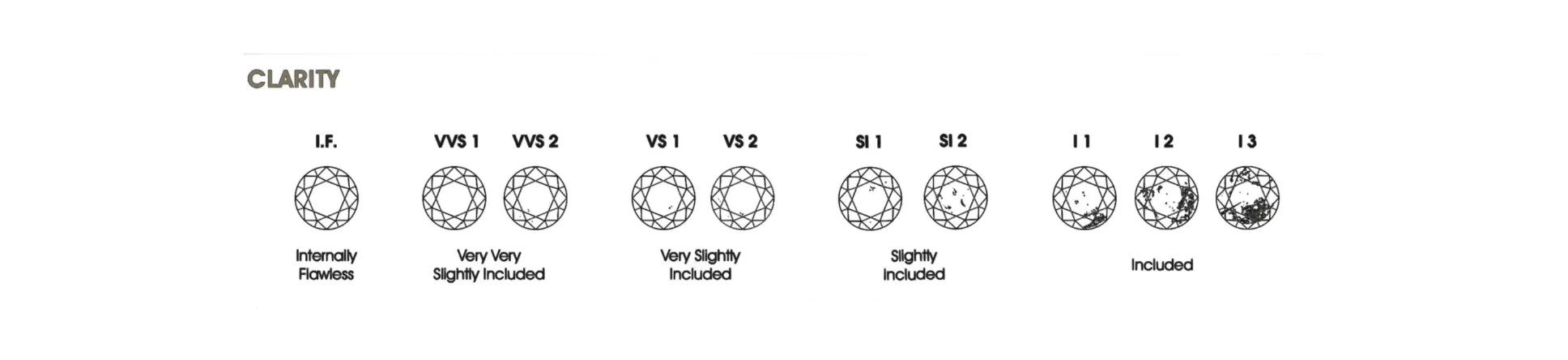
Clarity refers to the presence, nature and position of inclusions observed within a diamond. Their visibility depends in particular on the shape of the diamond, its faceting and their location.
Clarity grades for a colorless lab-grown diamond
In emerald and Asscher cuts, the large table acts like a window into the diamond. Inclusions may therefore be more easily visible, making higher clarity grades particularly desirable. Some radiant-cut diamonds can also reveal inclusions more clearly depending on their faceting and the position of the inclusions within the stone.
By contrast, in many brilliant cuts, the faceting helps conceal small inclusions, and a VS clarity grade can result in a diamond that appears very clean to the naked eye. For colorless lab-grown diamonds, the Maison generally favors VS grades and above.
Diamonds graded SI2, I1 and I2 require closer examination. Their inclusions may be visible to the naked eye, particularly in I1 and I2 grades. Their nature, position and potential impact on the diamond’s brilliance should be assessed individually.
CLARITY IN A FANCY LAB-GROWN DIAMOND
For a fancy lab-grown diamond, clarity plays a more secondary role. Attention is focused first on its hue, intensity, nuances, color distribution and the overall appearance of the diamond.
Trace elements or certain structural characteristics may contribute to the diamond’s color and its nuances. Clarity criteria should therefore be considered with greater flexibility than for a colorless diamond.
The certificate provides the gemological characteristics of the lab-grown diamond. Examining the diamond itself then makes it possible to assess its actual visual appearance.
PAIRING A LAB-GROWN DIAMOND WITH A PRECIOUS METAL
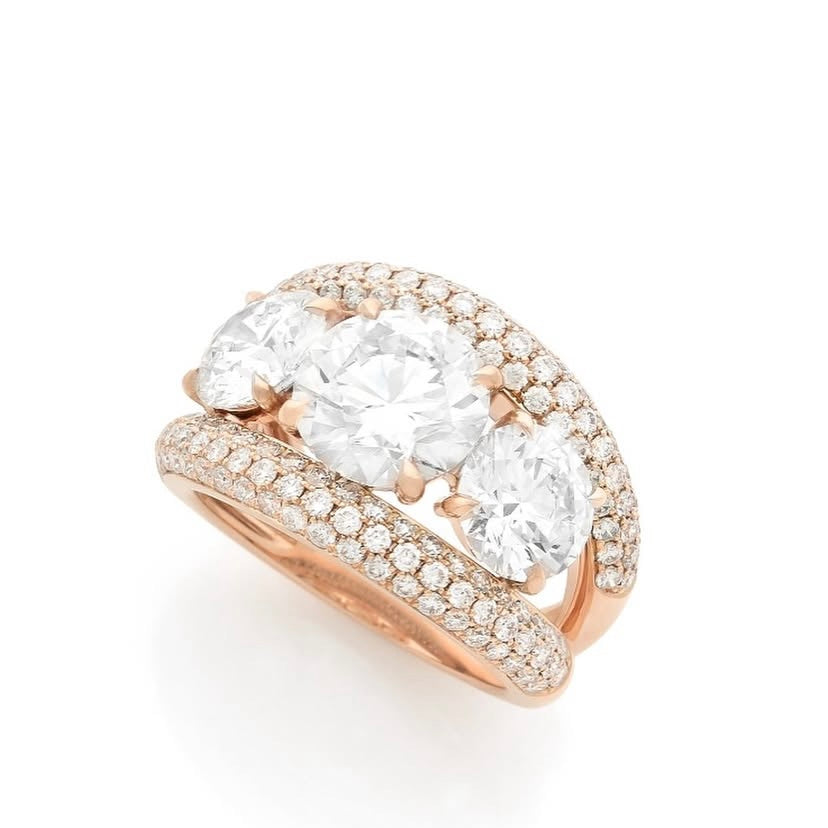
The choice of precious metal plays an important role in the visual balance of a piece of jewelry. Its color can complement that of the diamond, enhance its whiteness, or create a contrast.
The Maison offers its customizable rings in 18K yellow, white or rose gold, as well as platinum 950, depending on the design.
White gold and platinum particularly complement the whiteness of a colorless lab-grown diamond. Yellow gold brings a warmer tone, while rose gold creates a softer, more nuanced combination. For a bespoke creation, red gold can also be considered depending on the project. Its more pronounced coppery tone can notably evoke certain antique-inspired designs.
The choice of metal is, above all, a matter of personal aesthetic preference. The color of the jewelry you usually wear is often a good starting point.
WHICH METAL SHOULD YOU CHOOSE FOR A FANCY COLOR LAB-GROWN DIAMOND?
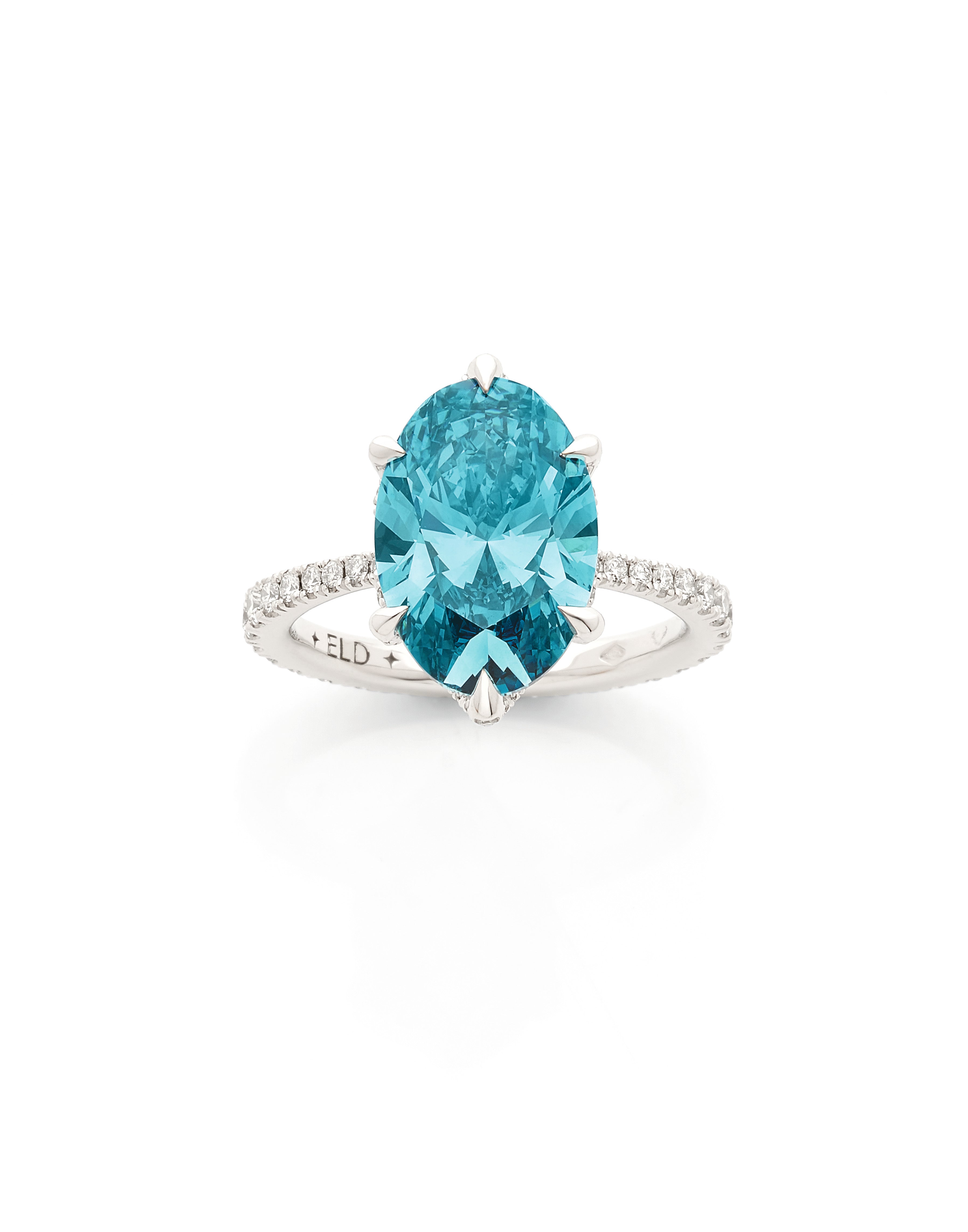
For a Fancy Color lab-grown diamond, the metal can either complement the stone’s hue or, on the contrary, create a contrast. There is no absolute rule: the diamond’s exact shade and the desired effect will guide the choice.
Yellow lab-grown diamond: Yellow gold creates a natural continuity with the color of the stone. White gold and platinum provide a stronger contrast.
Blue lab-grown diamond: White gold and platinum naturally complement its cool tones. Yellow or rose gold create a more contrasting combination.
Pink lab-grown diamond: Rose gold creates a harmonious tone-on-tone effect. White gold or platinum make the diamond’s color stand out more distinctly.
Cognac or champagne lab-grown diamond: Warm metals, such as yellow or rose gold, naturally complement honey, amber and earthy tones. For a bespoke creation, red gold can also create a more distinctive combination.
WHICH METAL SHOULD YOU PAIR WITH A GREEN LAB-GROWN DIAMOND?
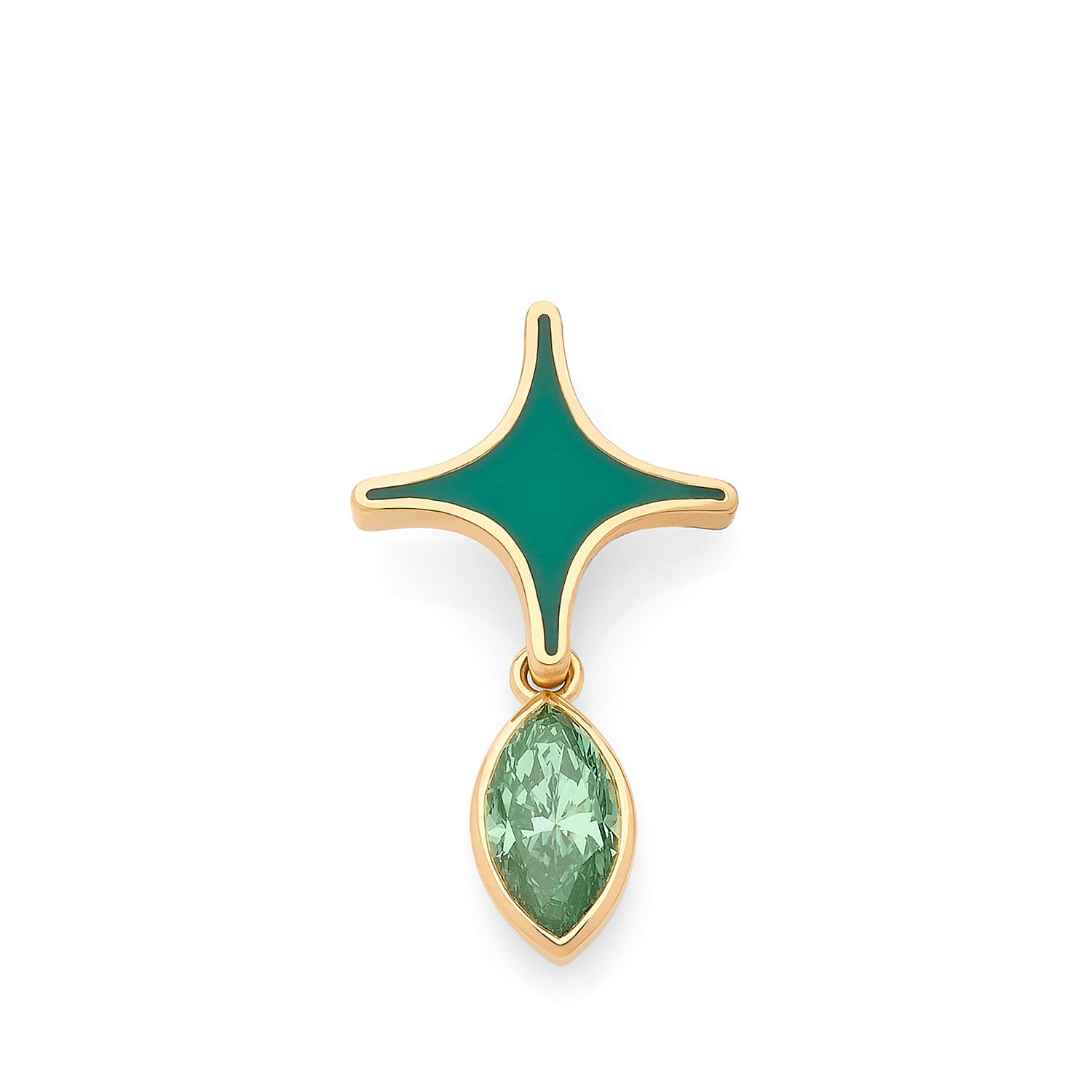
Light green, mint or seafoam green: White gold and platinum enhance the freshness and brightness of the stone. Yellow gold can be particularly well suited to greens with a subtle yellow undertone.
True green or emerald green: White gold and platinum create a crisp contrast, while yellow gold offers a warmer combination.
Deep green or forest green: White gold and platinum emphasize the depth of the green. Yellow gold adds warmth, while rose gold or, for a bespoke creation, red gold create a stronger contrast.
These combinations are intended as guidelines. The exact shade of the lab-grown diamond, the design of the setting and the personal preferences of the wearer will ultimately help determine the best choice.